Modernizing Sacred Animals Imageries in Vietnamese Culture for Contemporary Applied Arts
Abstract. This discussion focuses on recreating and modernizing the imageries of sacred animals in Vietnamese culture for application in contemporary applied arts. Sacred animals or holy animals such as dragon, phoenix, unicorn and kylins are important symbols, bearing the imprint of national culture, and are also a great source of ideas and inspiration for designers and artists. In the context of technological development, standardizing and digitizing these imageries is the first step for them to be integrated into modern design and manufacture processes. However, to ensure their suitability to contemporary aesthetic, designers need to be creative, transforming traditional imageries in terms of lines, colors and shapes while still retaining their core characteristics. The discussion proposes a method of balancing between preserving cultural values and innovation, thereby affirming the potential of sacred animals in enriching modern applied arts, while contributing to honoring Vietnamese culture.
Keyword. Sacred animals, Holy animals, Modernizing, Digitalizing, Applied Arts, Vietnamese culture
International Journal of Asian Culture, 2025, Vol. 2, No. 2 (Series 3)
Integrating Artificial Intelligence to Revitalize the Vietnamese Traditional Mother-of-Pearl Inlay Art
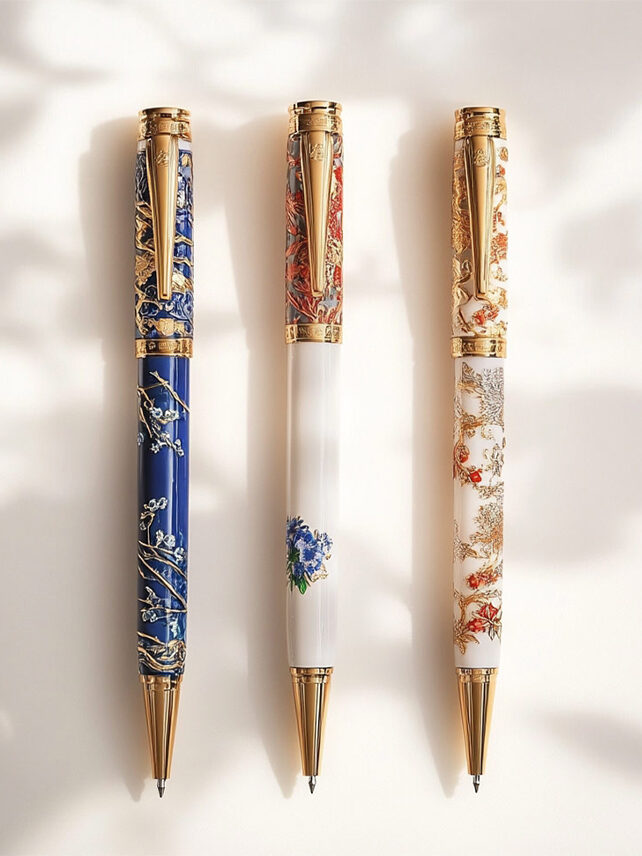
Abstract. This report presents a comprehensive analysis of the strategic integration of Artificial Intelligence (AI) as a viable pathway to preserve and revitalize the traditional Vietnamese art of mother-of-pearl inlay, known as khảm trai. It proposes a three-part analytical framework—Material Intelligence, Creative Ideation, and Virtual Prototyping—to examine how AI can address the craft’s most pressing contemporary challenges, including design stagnation, material inefficiency, and high barriers to innovation. The analysis demonstrates that AI can significantly enhance efficiency in the preparation of nacreous materials, foster boundless creativity in pattern design, and de-risk market
validation through advanced simulations. However, the report argues that the successful and ethical adoption of these technologies is entirely contingent upon a human-centric model of collaboration. This model must preserve and even elevate the irreplaceable manual skill of the artisan, particularly in the final, soul-defining stages of execution. By automating laborious tasks, AI allows the artisan’s unique touch to become the primary signifier of value and authenticity. The report concludes with a set of strategic recommendations for cultural policymakers, artisans, and technologists, outlining a balanced and sustainable fusion of heritage and innovation that could serve as a pioneering model
for other endangered crafts worldwide.
Keyword. AI, revitalize, mother of pearl inlay, craft, Artificial Intelligence
ESET 2025
Applying Digital Storytelling to Traditional Vietnamese Mother-of-Pearl Inlay Art
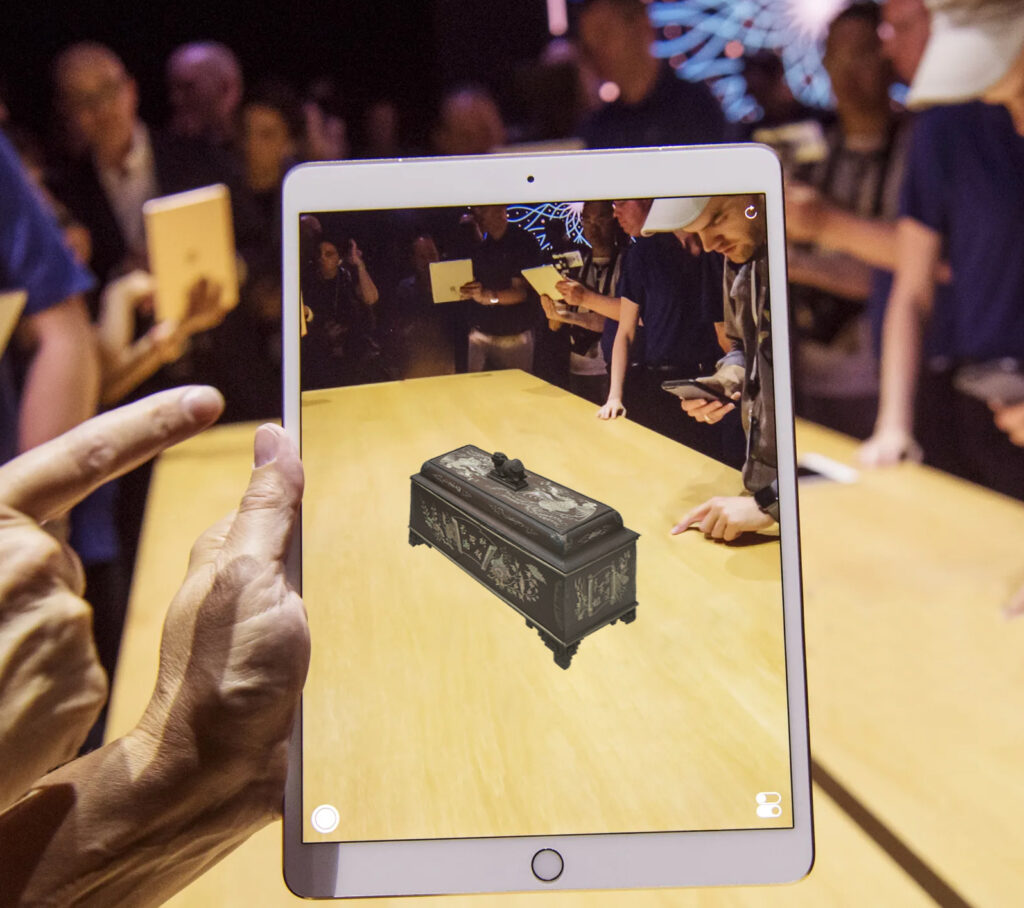
Abstract. Vietnamese traditional mother-of-pearl inlay art, a valuable form of intangible cultural heritage, extends beyond exquisite handcrafted objects to its potential application in cultural landscape architecture, where it can shape distinctive interpretive environments. Yet, this heritage faces the risk of fading due to declining public interest, largely caused by one-dimensional and non-interactive traditional communication methods that fail to meet the experiential needs of digital audiences. This study introduces digital storytelling as a new strategy that integrates multimedia technologies (images, sound, video, graphics, and interactivity) to create immersive experiences. Unlike conventional approaches, digital storytelling allows audiences not only to “listen” but also to actively engage, fostering emotional connection and improving cultural message retention. The research situates mother-of-pearl inlay art within the theoretical framework of Cultural Landscapes (ICOMOS/UNESCO), emphasizing its role in linking intangible heritage with exterior spaces, landscape architecture, and interpretive designed environments that support visitor experience and cultural education. As part of its applied discussion, the study proposes a pilot project using 3D scanning technologies to recreate living environments with 360-degree rotating views and interactive features, complemented by digital guide panels and audio guides. This approach enables visitors to explore, interact, and learn more dynamically, bridging traditional craft values with contemporary cultural landscapes. While highlighting the shortcomings of current communication practices, the study demonstrates how digital storytelling can revitalize heritage promotion. Supported by the Instant MultiMedia (IMM) approach as a secondary framework, the findings contribute both a timely communication solution and an interdisciplinary model that connects media, intangible heritage, and landscape architecture. This integrated framework may be applied to the preservation and promotion of other intangible cultural heritages in Vietnam in the digital era.
Keyword. Digital Storytelling; Intangible Cultural Heritage; Vietnamese Mother-of-Pearl Inlay Art; Cultural Communication; Digital Transformation
The NExT Landscape 2025